Claude Code has opened a door that used to stay locked for people like me. I built tools back in the day. I could write enough code to make things work, but as my clients’ needs grew, my time went there, and my coding skills fell behind. I never stopped thinking like a developer. I just stopped keeping up with the code. The barrier was never really the thinking. It was the code I no longer had time to write. Now that the code is mostly handled, the door is wide open, and that’s exactly why I want to talk about what’s on the other side of it before you walk through.
I cut my teeth in HTML and PHP. I learned JavaScript early on and even dabbled in Apple’s programming language. But I was always too busy doing the work and building projects for clients to keep expanding into new and emerging languages, mostly because I never wanted to build my own version of something that already existed and worked fine. So instead of becoming a developer, I became resourceful. That turned out to be a huge benefit to our clients, because I could deliver the functionality and features they needed without the high price tag.
The trade-off with that approach is the one everyone runs into with off-the-shelf tools. There are always limitations you have to work around. Off-the-shelf products are built with a wide use case in mind on purpose. To be useful to a large customer base, a tool has to serve everyone’s needs while avoiding the trap of piling on features only a handful of people would ever touch. So you adapt. You work within the constraints, and the tool does what it promised.
Claude Code changes that math. Now you can build your own tools, shaped exactly to your business. That’s incredibly attractive, and it’s also a trap if you’re not careful.
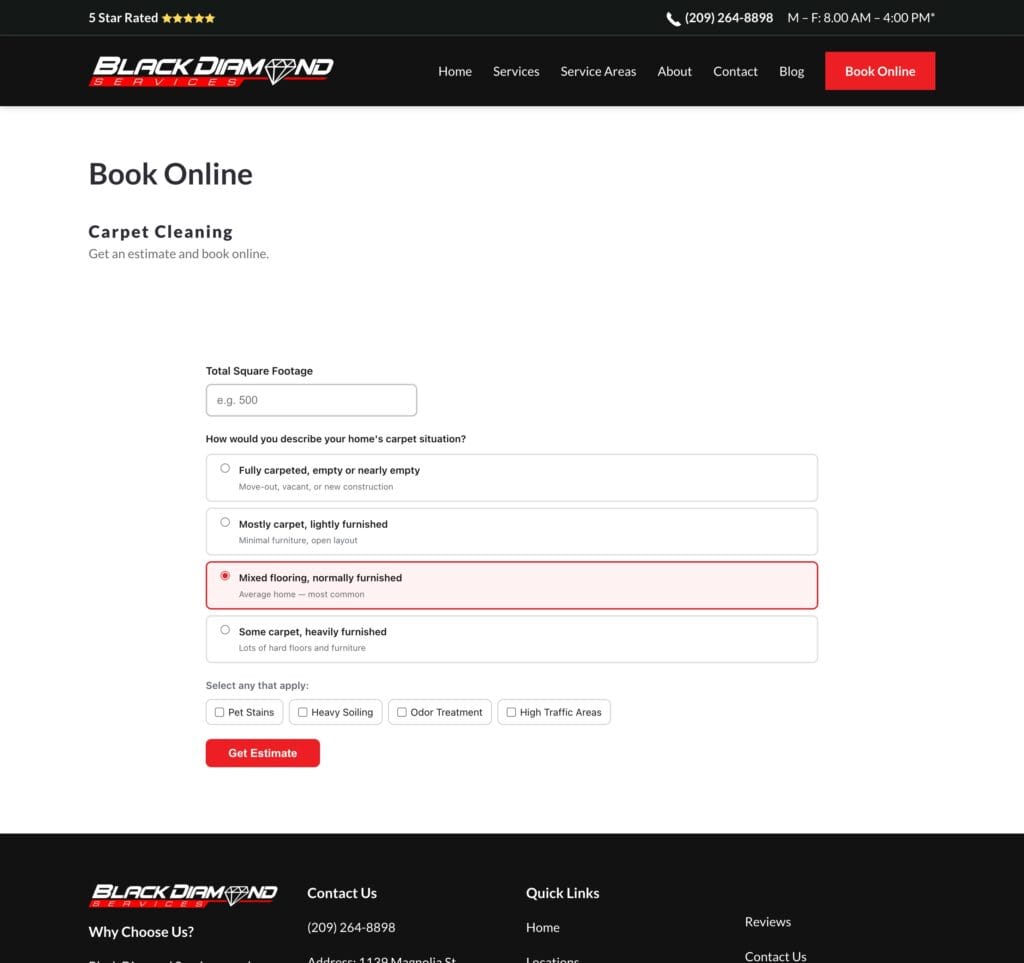
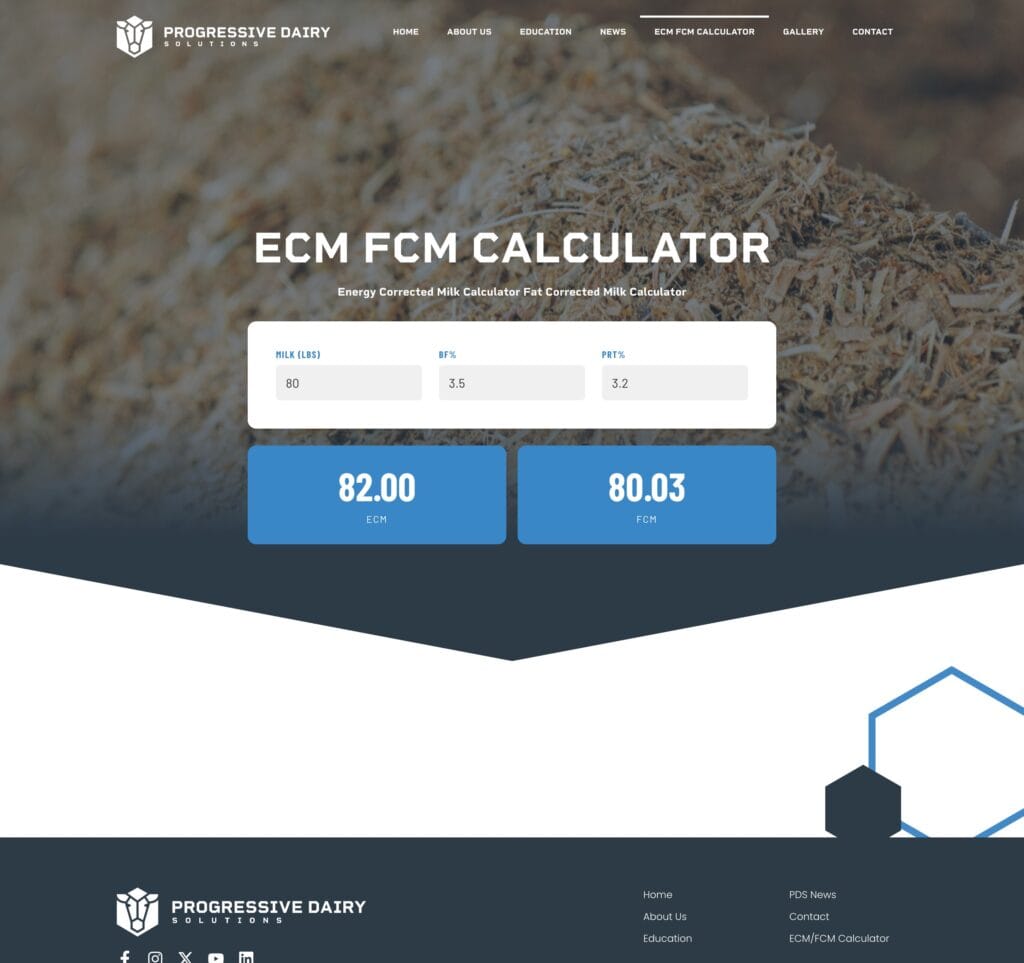
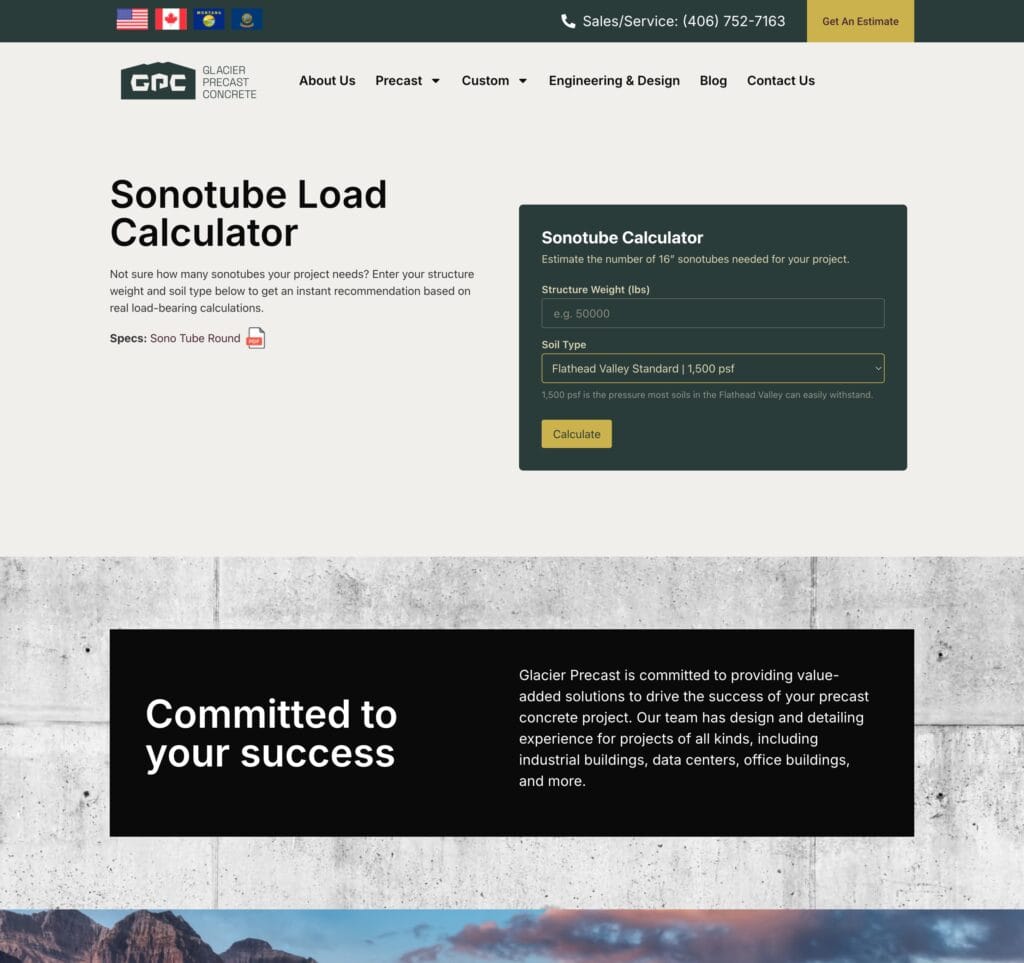
Over the past year, I’ve used it to build a range of tools for my clients, from simple calculators to complex plugins that add features alongside existing software. I’ve also built plugins for myself that solve problems I’ve lived with for years, in some cases a decade or more. They’ve made me more effective and helped me deliver a higher quality of service at a more attainable price point. But I’ve also gone down rabbit holes and had to scrap projects because I didn’t fully vet the idea before I started. That meant wasted time and some real frustration.
Here’s the pattern I keep noticing. I’ve watched people build genuinely amazing tools with Claude Code. But since I started sharing my own journey building a life OS dashboard, most of the people I hear from sound frustrated and a little confused by the experience. It reminds me of hiring a developer back in the day. They’d build exactly what I described, but they wouldn’t bring any of their own insight or experience to make the tool look or work better. They executed the request, nothing more.
Claude Code does the same thing. It executes on your request and does whatever it takes to make it happen. Unless you ask it the right questions, it won’t question your intentions or steer you in a better direction. When you’re running a business, the right tools matter, and “right” almost always means tools that actually work and accomplish the goal, even if that means living inside the tool’s constraints. When you build your own tools instead, you sign up for a long process of iteration and correction, fixing bugs and filling gaps in a system you didn’t fully know how to describe at the start.
So before you build anything, here are five things I’d want you to think about.
1. Start with a conversation, not with Claude Code
The single biggest mistake I see is people jumping straight into Claude Code to build something before they understand what they actually want built. Don’t start there. Start in a regular Claude chat.
Before you build anything, have an open-ended conversation about the project, and come at it from a mindset of testing whether the project is even worth doing. Go into detail about what the tool should do, what it should accomplish, and what the end goal really is. Be willing to ask whether existing tools already handle this, and share your own experience using other tools, where they worked and where they fell short. This is not a five-minute conversation. It should happen over the course of several days, at minimum.
Don’t be afraid to ask Claude whether you’d be wasting your time building this. And when Claude comes back with “Of course not, this is a great use of your time,” challenge it. Push back. Make sure it actually understands whether this tool will help you and the people in your organization, or whether it’ll just add friction to their day. Claude will cheerlead if you let it. Your job is to keep it honest.
Once you’ve decided the project is worth it, the same chat becomes where you build out the scope. Through back-and-forth, asking questions, providing information, and working through edge cases, you develop a scope you can then hand to Claude Code to execute.
This is the structure I use. Claude Code is my developer. It builds, tests, and debugs. I rarely let it make decisions on its own, though there are times it asks for clarity or gives me options to choose from. When that happens, I take those decisions back to the chat where the scope was developed and decide there. That puts an extra layer between project management and the changes being made to the code, and that layer is what keeps the whole thing on track.
2. Build in phases, with rollback built in from the start
Always build in phases, and make sure Claude has built in an easy way to roll back if you paint yourself into a corner.
Scope creep is brutally easy with Claude Code, because all you have to do is speak a feature into existence. That’s too much power. It makes it far too easy to drift off the path and away from the goals you set for the project. You ask for something, Claude Code starts building it, and now you’re somewhere you never planned to be.
This is exactly why the scope lives in a separate chat. When that chat understands the project’s goals and purpose, it will push back when an idea starts pulling you off course. Your scope should include preventive measures against scope creep and a clear process for rolling back when a new phase introduces problems. Rolling back to a previous state is far easier than asking Claude Code to undo all the code it just wrote. Plan for that before you need it.
3. Think like an architect
If you can think like an architect, you have a huge advantage in this process. If you can’t, then it becomes critical to tell Claude, inside your scope chat, to think that way for you.
At the end of all this, the project has to be useful. It has to be intuitive and easy to use. Claude Code will build the project, and it will probably make it reasonably intuitive on its own. But whether it’s intuitive for your specific use case, and whether it’s easy for your team to adopt, or whether it quietly introduces more work and slows everyone down, is a completely different question.
Thinking like an architect means imagining how people will actually use the tool day to day. The finished feature isn’t the only goal. The goal is something that fits into your team’s daily operations without creating drag. Describe what that looks like to Claude as you build out the scope, so it can see where the project might cause more harm than good before a single line of code gets written.
4. Test it before you trust it
Testing before you fully trust a new tool is just as important as building it well. Early on, I built tools that were impressive at first glance, right up until I had to start using them. That’s where the friction showed up, and sometimes where the whole experience broke.
Building a tool for yourself and enduring the iterations, the bug fixes, and the back-and-forth with Claude Code is one thing. Deploying that tool to your team before it’s ready is another thing entirely. You’re not just risking their time. You can also end up with a serious data gap between the platform you were on and wherever you’d have to go next if the new tool doesn’t fit your needs.
So don’t be afraid to keep running your old platform for a while as you test the new one. And do that testing in a safe sandbox where the information can’t be reached from the outside. Prove the tool works before you make anyone depend on it.
5. Take security and sensitive data seriously, because it’s your data on the line
Whatever you build is likely going to live on a server connected to the internet, which makes security non-negotiable. Security hardening is a must, and it’s something you should write into the scope for Claude Code to implement, especially as the project goes live.
This needs to go well beyond a simple password. At a minimum, build in two-factor authentication, something like a unique code sent to the user’s email address. Remember that this is your business’s data, and the bots crawling the internet for tools to exploit are absolutely looking for software written by Claude Code. The people behind them know the common vulnerabilities that tend to show up in Claude Code projects, and they’ll happily exploit those gaps to pull data out.
There’s a second, harder line I’d encourage you to draw: don’t use Claude Code to build projects that handle sensitive information. Anything involving payment data or personal information shouldn’t be stored in a project Claude Code built. For one, it’s almost certainly not compliant. And if you have a breach or a security issue, you’ll have a much harder time explaining yourself, because you’re not a developer and you had Claude Code write it for you.
Third-party tools are still the best option here, because those companies built their entire product around meeting these compliance requirements. If your tool needs to process payments, don’t store any of that data in your Claude Code project. Let a third party store and manage the payment data, and do the same for any personal information. Let the businesses whose job is compliance handle the part that has to be compliant.
The real trap, and how to avoid it
The temptation to have Claude Code build something is strong, because the barrier has essentially disappeared. Claude Code can’t yet spin up every service you might need to host a project and store its database, but it probably won’t be long before even the deployment process gets easier. That makes discipline more important, not less.
Always weigh the pros and cons, and don’t be afraid to use a Claude chat to talk through those pros, cons, and security concerns before you commit to a path. It’s also worth having a conversation with an actual person who has experience in this area before you start building something elaborate. They have first-hand experience, and they can hand you things to consider that you’d never think to ask about on your own.
The biggest trap people are falling into right now is jumping straight to Claude Code and having it start building before they fully understand what they want built. A proper scope, built out the right way, will save you days, if not weeks, of time.
If you’re thinking about building a tool with Claude Code for your business or organization, and you’d like help with the scope process or the development itself, schedule a free discovery call. I’d love to help if I can.
